


Table of Contents
- Leather vs Synthetic Western Bridles: A Side-by-Side Comparison
- How to Clean a Synthetic Bridle After a Muddy Ride
- How to Care for a Leather Bridle So It Lasts
- Western Bridle Fit Guide for Trail Riding
- The Best Western Bridle for Trail Riding: Material by Condition
- Where Each Material Wins: Use-Case Recommendations
- Conclusion
- Frequently Asked Questions
Last Updated: October 19, 2026
Leather vs Synthetic Western Bridles: A Side-by-Side Comparison
Choosing between leather and synthetic western bridles for daily trail riding comes down to how much maintenance you will actually do. Leather rewards the rider who cleans and oils after every muddy ride. Synthetic rewards the rider who wants to hose it off and hang it up. At Air Capital Tack, we have spent decades fitting both materials to trail horses, and the honest answer is that neither wins outright. Below, we break down the trade-offs so you can pick the material that matches your routine.
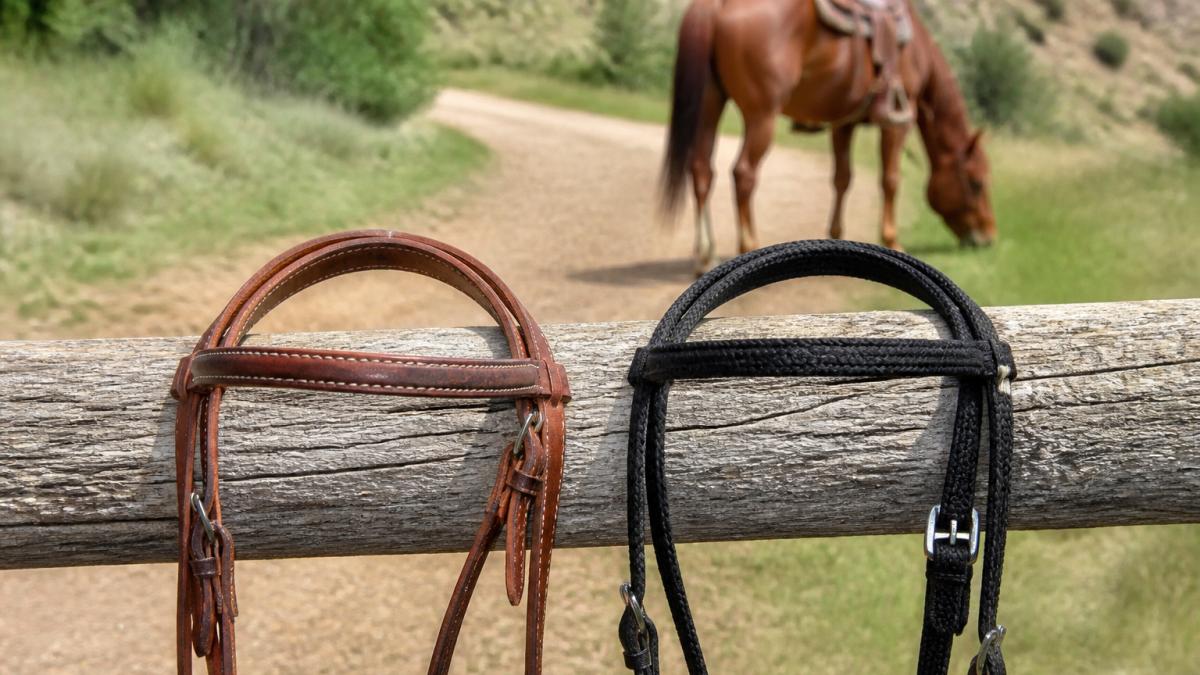
Leather western bridles are headstalls cut from tanned hide, usually harness leather or roughout, and they mold to the horse's head over time. Synthetic western bridles are built from nylon webbing or similar woven materials, often with leather accents at the crown or cheeks. The core difference is not strength. It is how each material responds to sweat, rain, dust, and time.

| Feature | Leather Bridle | Synthetic Bridle |
|---|---|---|
| Break-in period | Needs several rides | Ready immediately |
| Rain and mud | Requires drying and oiling | Wipe or rinse clean |
| Lifespan with care | Long, can be repaired | Long, but straps fray |
| Grip when wet | Can slick up | Stays grippy |
| Cost to replace | Higher | Lower |
| Best for | Riders who maintain gear | Riders who want low fuss |
Leather pros: it conforms to your horse, looks traditional, and quality harness leather holds up for years when cared for. Leather cons: it stiffens after rain, needs conditioning, and a neglected strap can crack. Synthetic pros: it sheds mud, dries fast, and costs less to replace. Synthetic cons: webbing can rub if fit is poor, and it does not soften the way leather does.
For daily trail riding, the deciding factor is usually your wash rack routine. A rider who rinses a horse after every creek crossing will be happier with synthetic. A rider who enjoys tack care and wants a headstall that improves with age should stay with leather.
How to Clean a Synthetic Bridle After a Muddy Ride
Cleaning a synthetic bridle takes about ten minutes and no conditioner. Rinse the whole headstall with lukewarm water, work out mud at the buckles with a soft brush, then hang it to air dry away from direct heat. That is the entire process.
Here is the order we use at the wash rack:
- Remove the bit and set it aside.
- Rinse the webbing under lukewarm water until mud stops running.
- Scrub buckle holes and keepers with a soft-bristled brush.
- Wipe with a mild soap if sweat has built up, then rinse again.
- Hang in shade with straps loosened so air reaches every layer.
Skip the dryer, the heater, and the sunny fence rail. Heat warps nylon and stiffens it. Once dry, check the stitching at the bit ends and the crown. Frayed thread is the first sign a synthetic headstall is nearing the end of its service life.
A practical option for trail riders who want a hybrid is the Tough1 Serape Double Ear Hybrid Headstall, which pairs double-ply nylon with a leather crown piece. You get the easy-clean web and the comfort of leather where the headstall sits behind the ears.

How to Care for a Leather Bridle So It Lasts
Leather care is a routine, not a single task. Wipe off sweat and dirt after every ride, condition the leather every few weeks, and keep the bridle out of direct heat. Do those three things and a quality leather headstall will outlast several synthetic replacements.
The routine we recommend:
- After every ride: wipe with a damp cloth to remove sweat and dust.
- Weekly: check straps at the buckle holes for cracking or stretching.
- Every few weeks: apply a light coat of leather conditioner and buff it in.
- After rain: blot dry, let it air dry slowly, then condition once fully dry.
- Storage: hang on a bridle hook in a dry, shaded tack room.
Harness leather, processed with oils and waxes, needs less conditioning than cheaper hides because it already carries those oils. The Royal King Harness Leather Browband Headstall with Quick Change Ends is built from that style of leather with solid brass fittings, which is the kind of working tack that holds up to daily use. Quick change bit ends also mean less fumbling when you swap bits between horses.
One mistake we see often: over-oiling. Too much conditioner softens leather until straps stretch and buckle holes wallow out. A little, applied evenly, goes further than a heavy coat.
Western Bridle Fit Guide for Trail Riding
A western bridle fits correctly when the bit sits level in the mouth, the browband clears the ears without pinching, and the cheek straps allow two fingers of slack at the throatlatch. Poor fit causes rubs on long rides, and rubs are the number one complaint we hear from trail riders.
Work through these checks before your next ride:
- Browband: sits below the ears and above the eyes, with no pressure on the ear base.
- Cheek pieces: adjusted so the bit rests at the corner of the mouth, not pulled up into it.
- Throatlatch: loose enough to fit two fingers flat.
- Crown: sits behind the ears without pressing on the poll.
- Noseband, if used: allows a hand to slide underneath.
Measure bit-to-bit length before ordering, and measure both sides of your horse's head. Horses are not symmetrical, and a headstall that fits one side perfectly can rub on the other. Adjustable cheeks help, which is why we lean toward headstalls with buckle adjustment for trail use.
For a bitless trail setup, the Bosal with One Ear Headstall uses a traditional bosal nosepiece that applies pressure across the nose rather than the mouth. Riders whose horses respond well to bitless control often prefer this for long days on the trail.
Tough1 Serape Double Ear Hybrid Headstall →

If you are shopping near me in Derby, stop by and we will fit the bridle to your horse in person. Fit is easier to judge with the horse standing in front of you.
The Best Western Bridle for Trail Riding: Material by Condition
The best western bridle for trail riding depends on the conditions you ride in most. Wet, muddy trails favor synthetic. Dry, dusty country with long seasons favors leather. Mixed conditions favor a hybrid. Matching your tack to the environment remains the most effective way to ensure comfort, much like selecting the appropriate trail riding gear for your specific climate and terrain.
| Condition | Best Material | Why |
|---|---|---|
| Creek crossings and rain | Synthetic | Dries fast, no conditioning needed |
| Heavy mud and clay | Synthetic | Rinses clean in minutes |
| Dry, dusty trails | Leather | Holds shape, resists grit abrasion |
| Long daily use | Leather or hybrid | Conforms to the horse over time |
| Cold weather | Synthetic | Stays flexible when frozen |
| Show and weekend events | Leather | Traditional look and finish |
Cold matters more than most riders expect. Leather stiffens in freezing temperatures, and a stiff cheek strap is harder to adjust with gloves on. Nylon stays pliable. If you ride through winter, that difference shows up every morning at the trailer.
Dust is the other variable. Fine grit works into leather pores and acts like sandpaper on stitching over time, so dry-country riders need to brush leather down more often than they think. Synthetic webbing sheds grit but can abrade the horse's hair if the fit is loose.
Where Each Material Wins: Use-Case Recommendations
Each material has a clear winner's circle. Synthetic wins for riders who prioritize low maintenance, wet climates, and budget. Leather wins for riders who want a bridle that improves with age and are willing to care for it. Hybrid designs split the difference.
Our recommendations by rider type:
- The weekend trail rider: synthetic, because it tolerates skipped maintenance.
- The daily rider: leather or hybrid, because fit and comfort compound over many hours.
- The winter rider: synthetic, for flexibility in the cold.
- The traditionalist: leather, for look and feel.
- The multi-horse household: synthetic, for easy sanitizing between horses.
For mule owners, the Tough1 Nylon Mule Headstall with Cavesson solves a specific problem: the clip crown goes on without dragging ears, and the noseband adds fit adjustment. For pony-sized horses headed to a weekend show, the King Series Pony Roughout Browband Headstall with Reins brings roughout leather, hand-stamp detail, and matching reins in one package.
What most guides miss is that material choice is less important than fit and inspection. A well-fitted synthetic bridle beats a poorly fitted leather one every time on a long ride.
Conclusion
Trail riding puts bridles through sweat, weather, and miles, and the material you choose should match the maintenance you will realistically do. Leather rewards care with a fit that improves over time. Synthetic rewards convenience with fast cleanup and all-weather flexibility. Neither is wrong, and a hybrid headstall can give you the best of both.
At Air Capital Tack, we stock both materials and will help you match a bridle to your horse, your discipline, and your routine. Visit our Derby, KS store for a hands-on fit or order online for nationwide shipping. Our team ships six days a week, and our staff draws on more than 42 years in the equine industry to answer fit questions before you buy.
Get started with Air Capital Tack and find a western bridle built for the miles you actually ride.
Frequently Asked Questions
Is a leather or synthetic bridle better for daily trail riding?
It depends on your conditions. Leather western bridles breathe, conform to the horse's head over time, and hold up well in dry climates if you clean and condition them regularly. Synthetic western bridles resist rain, mud, and sweat with a simple rinse and dry, which makes them easier for wet or dusty trails. Many riders keep a leather bridle for dry days and a synthetic one for wet weather.
How do you clean a synthetic western bridle after a muddy ride?
Rinse the bridle with clean water to loosen mud, then wash it with mild soap and a soft brush. Pay attention to buckles, tie ends, and the crown where sweat collects. Rinse thoroughly, wipe with a dry cloth, and hang it to air-dry away from direct heat. Check stitching and hardware after each wash, and replace any frayed straps before your next trail ride.
How often should you condition a leather western bridle?
Condition a leather bridle every four to six weeks during regular use, and after any ride where it gets wet or very dirty. Clean first with saddle soap, let it dry, then apply a thin layer of leather conditioner. Avoid over-oiling, which can stretch straps and weaken stitching. In dry climates, condition more often; in humid areas, watch for mold and wipe the leather down after rides.
Do synthetic bridles last as long as leather bridles?
A well-made synthetic bridle can last several years of daily trail riding, but leather often outlasts it when cared for properly because it can be conditioned and repaired. Synthetic straps may fray or stiffen with sun exposure over time. Inspect both materials regularly at buckles, tie ends, and the crown, and replace any worn parts before they fail on the trail.
How should a western bridle fit a horse for trail riding?
The browband should sit below the ears without pinching, and the cheekpieces should let the bit rest at the corner of the mouth with one or two wrinkles. The throatlatch should allow two to three fingers of space, and the crown should sit behind the ears without pressing. Check the fit with the bit in place and adjust buckles evenly on both sides before you ride.


