


Last Updated: October 25, 2026
Quick Summary
To maintain horse saddles, clean them regularly with saddle soap and warm water, condition the leather every 3-6 months to prevent cracking, and store them on a saddle stand in a cool, dry place away from direct sunlight and moisture.
- Clean your saddle monthly with a soft brush and saddle soap to prevent dirt and sweat buildup.
- Condition leather every 3-6 months, or every 2-3 months in hot, humid climates.
- Store saddles indoors on a saddle stand at 40-60% humidity to maintain shape and prevent damage.
- Inspect saddles monthly for cracks, mold, or damage and address problems early.
- Dry brush after each ride and clean immediately after riding in sweat or rain.
Table of Contents
- Why Regular Saddle Maintenance Matters
- How to Clean a Leather Horse Saddle
- How to Condition a Leather Saddle
- How to Store a Horse Saddle Properly
- Saddle Care in Hot and Humid Weather
- Common Saddle Maintenance Mistakes to Avoid
- Building Your Saddle Maintenance Routine
- Frequently Asked Questions
Why Regular Saddle Maintenance Matters
Proper saddle care isn't optional, learning how to maintain horse saddles is the difference between equipment that lasts decades and gear that fails when you need it most. A well-maintained saddle holds its shape, stays comfortable for your horse, and performs reliably through years of riding.
Leather is a living material. It absorbs sweat, dirt, and moisture from your horse and the environment. Without regular cleaning and conditioning, leather dries out, cracks, and loses its strength. The stitching weakens. The tree can shift. What started as a quality investment becomes unsafe and unusable.
Proper saddle care can extend saddle life by many years simply by committing to a basic maintenance routine. Understanding how to choose horse saddle fit complements your maintenance efforts and ensures your saddle performs optimally. The process isn't complicated. It doesn't require expensive tools. It does require consistency.
American Farrier's Association guidance on equine equipment care emphasizes that regular maintenance prevents costly repairs and safety issues. When you maintain your horse saddles properly, you're protecting both your investment and your horse's comfort.
Below, we'll walk you through exactly how to maintain horse saddles, from cleaning and conditioning to storage and seasonal care.
How to Clean a Leather Horse Saddle
Cleaning removes dirt, sweat, and grime that break down leather fibers. A clean saddle is easier to inspect for damage and feels better on your horse's back.
Gathering Your Cleaning Supplies
Before you start, gather these essentials:
- Soft-bristled brush or cloth
- Saddle soap or leather cleaner
- Warm water
- Bucket
- Dry towels
- Saddle stand (optional but helpful)
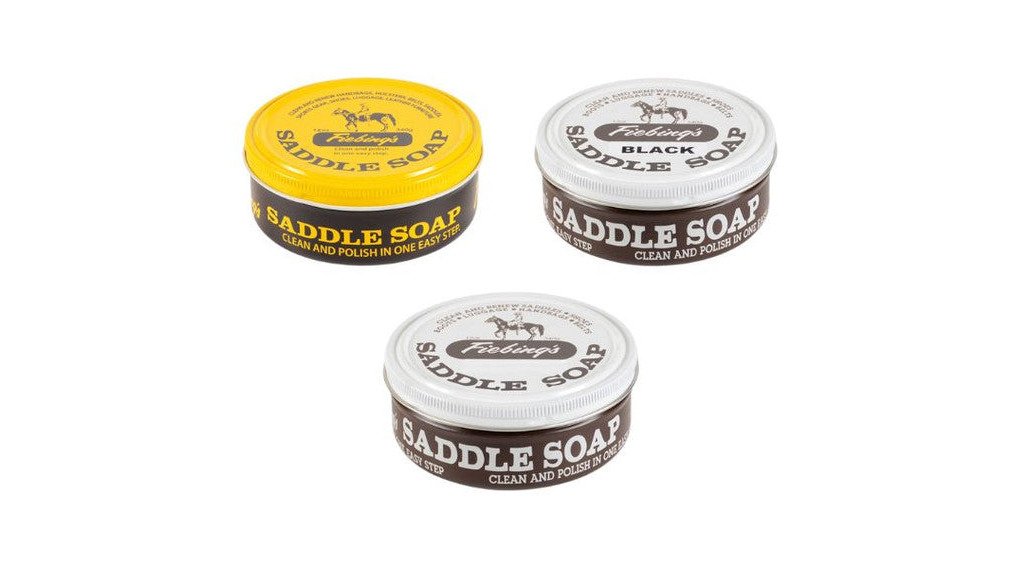
Fiebing's Saddle Soap works well for most leather saddles. It cleans while conditioning, so you get two benefits in one product. A wood handle tack cleaning brush helps you reach crevices and textured areas without scratching the leather.
Step-by-Step Cleaning Process
Start with a dry brush. Use a soft brush to remove loose dirt and dust from the saddle's surface. Pay attention to seams, tooling, and underneath the flaps where grime collects.
Mix your cleaning solution. Warm water and saddle soap create the cleaning paste. You don't need hot water, lukewarm is fine. Mix until you have a creamy consistency.
Apply soap to the leather. Use a soft cloth or brush to work the soap into the leather in circular motions. Don't scrub hard. Let the soap do the work.
Wipe clean with a damp cloth. Use a separate cloth with clean water to remove soap residue. Wring out your cloth so it's damp, not dripping.
Dry thoroughly. Use a dry towel to remove excess moisture. Let the saddle air dry completely before conditioning or storing it.
Watch out: Never soak leather or leave it wet. Excess water causes mold, discoloration, and weakens the structure.

How to Condition a Leather Saddle
Conditioning replaces the natural oils leather loses over time. It keeps the material supple, prevents cracking, and maintains water resistance.
Conditioner is different from cleaner. Cleaner removes dirt. Conditioner feeds the leather and protects it. Use both for complete saddle care.
Apply conditioner after cleaning, when the leather is dry. A small amount goes a long way.
How often should you condition? Most riders condition saddles every 3-6 months, depending on use and climate. Heavy use or dry conditions may require more frequent conditioning.
Work conditioner into the leather using a soft cloth. Use small circular motions. Pay special attention to areas that flex and bend, the seat, the panels underneath, the flaps. These areas dry out faster.
Let the conditioner soak in for 10-15 minutes, then buff away any excess with a clean cloth. Your saddle should look slightly darker and feel supple, not greasy.
How to Store a Horse Saddle Properly
Storage prevents damage between riding sessions. A poorly stored saddle warps, cracks, and deteriorates quickly.
Use a saddle stand. A proper saddle stand keeps your saddle's shape and allows air circulation. Never store a saddle folded, leaning against a wall, or draped over a fence rail. These positions cause permanent creasing and structural damage.

Choose the right location. Store saddles indoors in a cool, dry place. Avoid direct sunlight, which fades and dries leather. Keep saddles away from heat sources like heaters and radiators.
Temperature swings cause leather to expand and contract. Stable temperatures preserve the material. A tack room or closet is ideal. A garage works if it stays reasonably dry.
Protect from moisture. High humidity promotes mold and mildew. Low humidity causes leather to dry out. Aim for 40-60% humidity if possible. Use a dehumidifier in very damp climates.
Store with pads underneath. Never store a saddle directly on concrete or metal. Use a saddle pad or blanket underneath to prevent moisture absorption from below.
Saddle Care in Hot and Humid Weather
Heat and humidity are tough on leather. Sweat, rain, and high moisture create conditions where leather deteriorates faster.
In hot, humid climates like those near Derby, KS during summer months, increase your maintenance frequency. Clean and condition more often, every 2-3 months instead of 4-6.
After riding in sweat: Clean your saddle as soon as possible. Sweat contains salt and acids that damage leather. Don't let sweat dry on the saddle.
After riding in rain: Dry the saddle completely before storing. Open windows in your tack room for air circulation. Never store a damp saddle in an enclosed space.
Watch for mold: Inspect your saddle regularly for small black or green spots. If you spot mold, clean it immediately with a soft cloth and a mild vinegar solution (one part vinegar to three parts water). Dry thoroughly and improve ventilation in your storage area.
Use saddle covers: A breathable saddle cover protects from dust and moisture while allowing air circulation. Avoid plastic covers, which trap moisture.
Common Saddle Maintenance Mistakes to Avoid
Understanding what not to do prevents costly damage.
Don't use harsh chemicals. Bleach, acetone, and strong degreasers strip leather of natural oils and cause permanent damage. Stick with products designed for leather.
Don't neglect the underside. The panels underneath your saddle absorb the most sweat and dirt. Clean and condition these areas just as carefully as the top.
Don't over-condition. Too much conditioner leaves a greasy film, attracts dirt, and can weaken stitching. Use the amount recommended on the product label.
Don't store in plastic. Plastic bags and covers trap moisture and promote mold. Use breathable covers or no cover at all in a dry space.
Don't ignore small cracks. A small crack spreads quickly if left untreated. Address damage early with conditioning or professional repair.
Building Your Saddle Maintenance Routine
Consistency matters more than intensity. A simple routine you follow every time beats an elaborate process you do occasionally.
| Task | Frequency | Time Required |
|---|---|---|
| Dry brush | After each ride | 5 minutes |
| Full clean | Monthly | 20-30 minutes |
| Condition | Every 3-6 months | 15-20 minutes |
| Inspect for damage | Monthly | 10 minutes |
| Deep storage check | Seasonally | 15 minutes |
Monthly routine: Clean your saddle thoroughly once a month. This prevents buildup and keeps you familiar with its condition. You'll spot problems early.
Seasonal routine: As seasons change, inspect your saddle for wear. Adjust conditioning frequency based on humidity and use. Store appropriately for the season ahead.
After hard use: Heavy riding, trail work, or wet conditions warrant immediate cleaning. Don't wait for your monthly routine.
Keep your cleaning supplies organized in one place. When tools are accessible, you're more likely to use them. Store Fiebing's Saddle Soap and Lexol Leather Tack Conditioner together in a cool, dry spot. A wood handle tack cleaning brush and soft cloths complete your basic kit.
Maintaining your horse saddles properly protects your investment and ensures your horse's comfort and safety. The process is straightforward: clean regularly, condition consistently, and store correctly. Air Capital Tack provides everything you need to maintain your saddles, from Fiebing's Saddle Soap to practical tools like our saddle stand. Start your maintenance routine today and your saddles will serve you reliably for years to come.
Frequently Asked Questions
How often should you clean a horse saddle?
Clean your saddle after every ride to remove sweat, dirt, and dust that accumulate on the leather. A thorough deep cleaning with saddle soap should happen weekly if you ride regularly, or every two weeks for occasional riders. Conditioning can be done monthly or as needed, depending on your climate and how much your saddle is used. Regular maintenance prevents leather deterioration and extends your saddle's lifespan significantly.
What is the best way to clean a leather horse saddle?
Start by removing surface dirt with a dry cloth or soft brush. Use Fiebing's Saddle Soap, which lubricates leather fibers while cleaning and helps prevent brittleness. Work the paste into the leather with a damp cloth in circular motions, then wipe away excess with a clean cloth. Pay special attention to seams and crevices where sweat and grime collect. Finish by buffing with a dry cloth for shine and protection.
Can you use household soap on a horse saddle?
Household soap is not recommended for saddles because it can strip natural oils from leather, causing it to become dry and brittle. Saddle-specific products like Fiebing's Saddle Soap are formulated to clean while maintaining leather suppleness. Using the wrong cleaner can damage your investment and shorten your saddle's useful life. Always use products designed specifically for equestrian leather care.
How should you store a horse saddle when it is not in use?
Store your saddle on a saddle stand or rack in a cool, dry location away from direct sunlight and extreme temperature changes. Avoid damp barns or basements where moisture can promote mold and mildew growth. Keep saddles off the ground to prevent warping and damage. If storing long-term, place a saddle cover over it to protect from dust. Proper storage prevents leather cracking and structural damage that can make a saddle unsafe to ride.


